
Learning SEO can feel overwhelming at first. Between algorithm updates, technical jargon, and conflicting advice online, many beginners don’t know where to start. This SEO learning guide breaks everything down into simple, actionable steps that actually work.
Whether you’re launching your first website or trying to improve an existing one, understanding search engine basics will give you a solid foundation for driving organic search traffic in 2026 and beyond.
What Is SEO and Why Does It Matter?
SEO stands for Search Engine Optimization. It’s the practice of improving your website so search engines like Google can understand, trust, and rank your content higher in search results.
Think of it this way: when someone searches for “best running shoes for beginners,” Google scans billions of pages to find the most relevant, helpful answer. SEO helps your page become that answer.
According to BrightEdge research, organic search drives 53% of all website traffic. That’s more than paid ads, social media, and email combined. If you want sustainable, long-term visibility online, understanding how SEO works isn’t optional; it’s essential.
2026 SEO Checklists for beginners: https://docs.google.com/spreadsheets/d/1EJrRpFBttHoUNGhSlo_kpLbhGr9aeOFQwdH4zb9VNc4/edit?usp=sharing
How Search Engines Actually Work?
Before diving into tactics, you need to understand search engine basics.
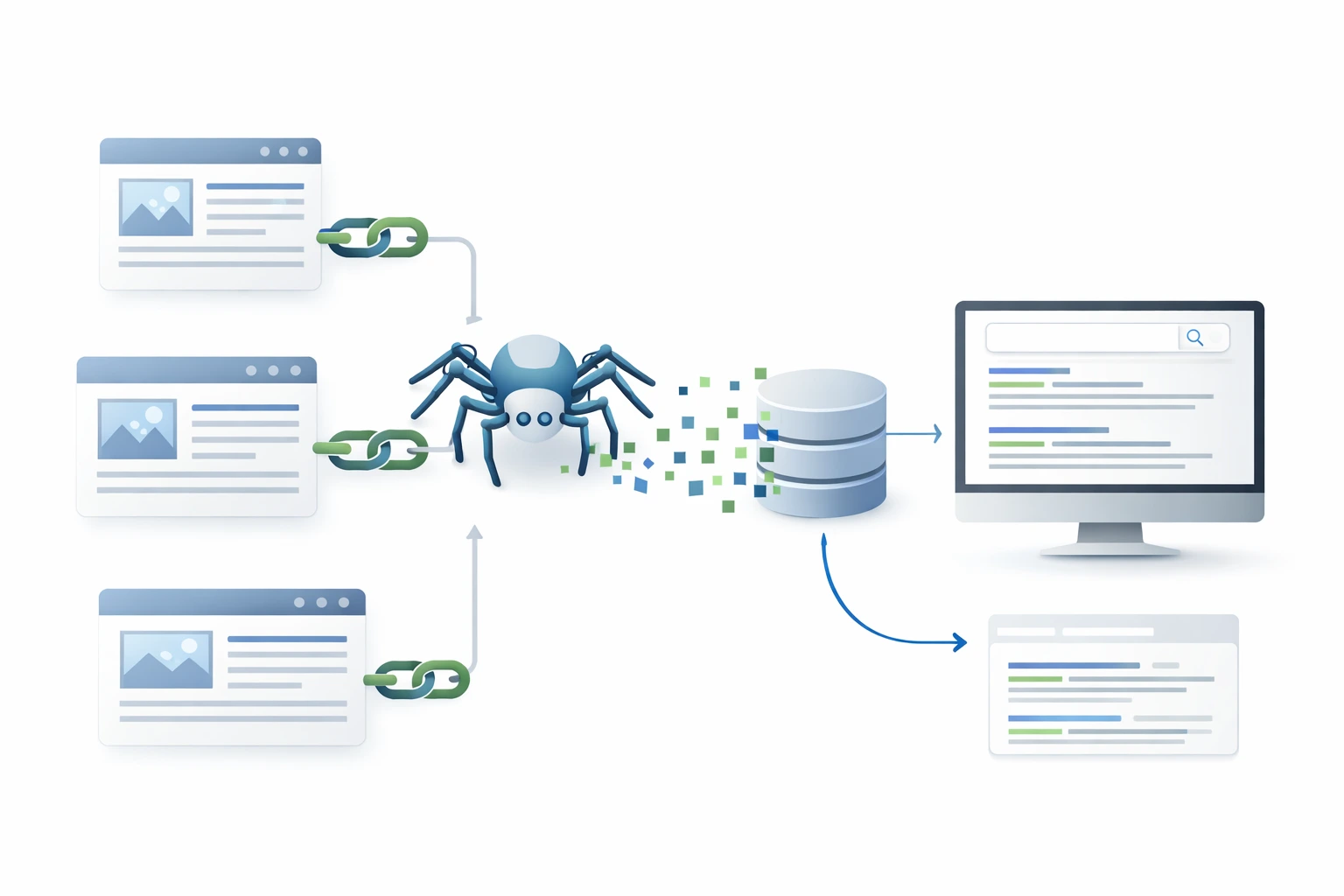
Google uses automated programs called “crawlers” (or spiders) to discover new and updated pages across the web. These crawlers follow links from page to page, collecting information along the way.
Once a page is discovered, Google adds it to its index, a massive database of web content. When someone performs a search, Google’s algorithm sifts through this index to deliver the most relevant results.
Google Search Results Explained
When you search on Google, you’ll typically see several types of results:
-
Organic results: Regular listings that appear based on relevance and quality
-
Paid ads: Sponsored listings at the top or bottom (marked as “Ad”)
-
Featured snippets: Quick answers displayed in a box above organic results
-
Local pack: Map-based results for location-specific searches
Your goal with SEO is to appear in those organic results. Unlike paid ads, you don’t pay per click, and the traffic keeps flowing as long as you maintain your rankings.
Core SEO Ranking Factors You Need to Know
Google uses over 200 ranking signals to determine where pages appear in search results. However, not all factors carry equal weight. Here are the ones that matter most for beginners learning how to rank a website:
1. Content Quality
Google prioritizes content that demonstrates Experience, Expertise, Authoritativeness, and Trustworthiness (E-E-A-T). According to Google’s Search Quality Evaluator Guidelines, helpful content that satisfies user intent ranks higher than thin or generic pages.
Write for humans first. Answer questions thoroughly. Share genuine insights based on real knowledge.
2. Backlinks
Backlinks are links from other websites pointing to yours. They act as votes of confidence. When reputable sites link to your content, Google interprets this as a signal that your page is trustworthy.
Quality matters more than quantity. One link from a respected industry publication outweighs dozens from random, low-quality sites.
3. Technical Health
Your website needs to load quickly, work well on mobile devices, and be easy for crawlers to navigate. Google’s Core Web Vitals measuring loading speed, interactivity, and visual stability, directly impact rankings.
4. User Experience
Pages with high bounce rates and low engagement send negative signals. If visitors click your result but immediately leave, Google assumes your content didn’t meet their needs.
On-Page vs Off-Page SEO: Understanding the Difference
One of the most common questions in any SEO learning guide involves understanding on-page vs off-page SEO. Both are crucial, but they focus on different areas.
On-Page SEO
On-page SEO covers everything you control directly on your website:
-
Title tags: The clickable headline in search results
-
Meta descriptions: The short summary beneath the title
-
Header tags: H1, H2, H3 headings that structure your content
-
Internal links: Links connecting pages within your site
-
Image optimization: Compressed files with descriptive alt text
-
URL structure: Clean, readable URLs that include target keywords
Off-Page SEO
Off-page SEO involves actions taken outside your website to improve rankings:
-
Link building: Earning backlinks from other websites
-
Brand mentions: Getting discussed on social media, forums, and publications
-
Guest posting: Contributing content to other sites in your niche
Both work together. Strong on-page SEO makes your content worth linking to. Off-page efforts build the authority that pushes you higher in rankings.

Keyword Research Basics: Finding What People Actually Search?
Keyword research is the foundation of every successful SEO strategy. Without it, you’re essentially guessing what your audience wants.
Start With Seed Keywords
Seed keywords are broad terms related to your topic. If you run a fitness blog, your seeds might include “home workouts,” “weight loss tips,” or “gym equipment.”
Use Free Tools to Expand
Several free tools help beginners discover keyword opportunities:
-
Google Keyword Planner: Shows search volume and competition
-
Google Search Console: Reveals terms your site already ranks for
-
People Also Asked: Generates question-based keyword ideas
-
Semrush: Provides keyword suggestions with difficulty scores
Understand Search Intent
Not all searches have the same purpose. Someone searching “what is protein powder” wants information. Someone searching “buy protein powder online” wants to make a purchase.
Match your content type to the intent behind the keyword. Informational queries need educational content. Commercial queries need product pages or comparisons.
Your Beginner SEO Checklist
Ready to take action? Here’s a practical beginner SEO checklist you can follow step by step:
Week 1: Foundation
-
Set up Google Search Console and verify your site
-
Install Google Analytics to track traffic
-
Ensure your site uses HTTPS (secure connection)
-
Check mobile responsiveness using Google’s Mobile-Friendly Test
Week 2: On-Page Optimization
-
Conduct basic keyword research for your main pages
-
Write unique title tags and meta descriptions for each page
-
Add descriptive alt text to all images
-
Create a logical internal linking structure
Week 3: Content Development
-
Identify 5-10 questions your audience frequently asks
-
Create comprehensive content that answers those questions
-
Format content with clear headings and short paragraphs
-
Include relevant statistics and cite credible sources
Week 4: Technical Cleanup
-
Fix broken links using a free tool like Screaming Frog
-
Improve page speed (compress images, minimize code)
-
Submit your sitemap to Google Search Console
-
Check for and fix crawl errors
Common SEO Mistakes Beginners Make
Even motivated learners trip up occasionally. Here are the SEO mistakes beginners make most often and how to avoid them:
1. Keyword Stuffing
Cramming keywords into every sentence doesn’t help. Google’s algorithms easily detect unnatural language, and readers find it annoying. Focus on writing naturally while keeping your topic clear.
2. Ignoring Mobile Users
Over 60% of Google searches happen on mobile devices, according to Statista. If your site looks terrible on phones, you’re losing both visitors and rankings.
3. Expecting Overnight Results
SEO takes time. Most pages need 3-6 months to reach their ranking potential, according to Ahrefs research. Stay consistent and patient.
4. Neglecting Existing Content
Many beginners focus only on creating new content while their older pages gather dust. Regularly update and improve existing content to maintain relevance.
5. Building Low-Quality Links
Buying links or participating in link schemes violates Google’s guidelines and can result in penalties. Earn links naturally by creating content worth sharing.
Conclusion
SEO isn’t a one-time project. It’s an ongoing process of creating valuable content, optimizing technical elements, and building authority over time.
Start with the basics covered in this guide. Master them before moving to advanced tactics. As you gain experience, you’ll develop an intuition for what works and what doesn’t.
The websites ranking at the top of Google in 2026 won’t be there by accident. They’ll be run by people who understand the fundamentals, stay patient, and consistently deliver value to their audience.
You now have the roadmap. The next step is yours.